Survive and Thrive: The Ultimate Tournament Weekend Guide for Soccer Families
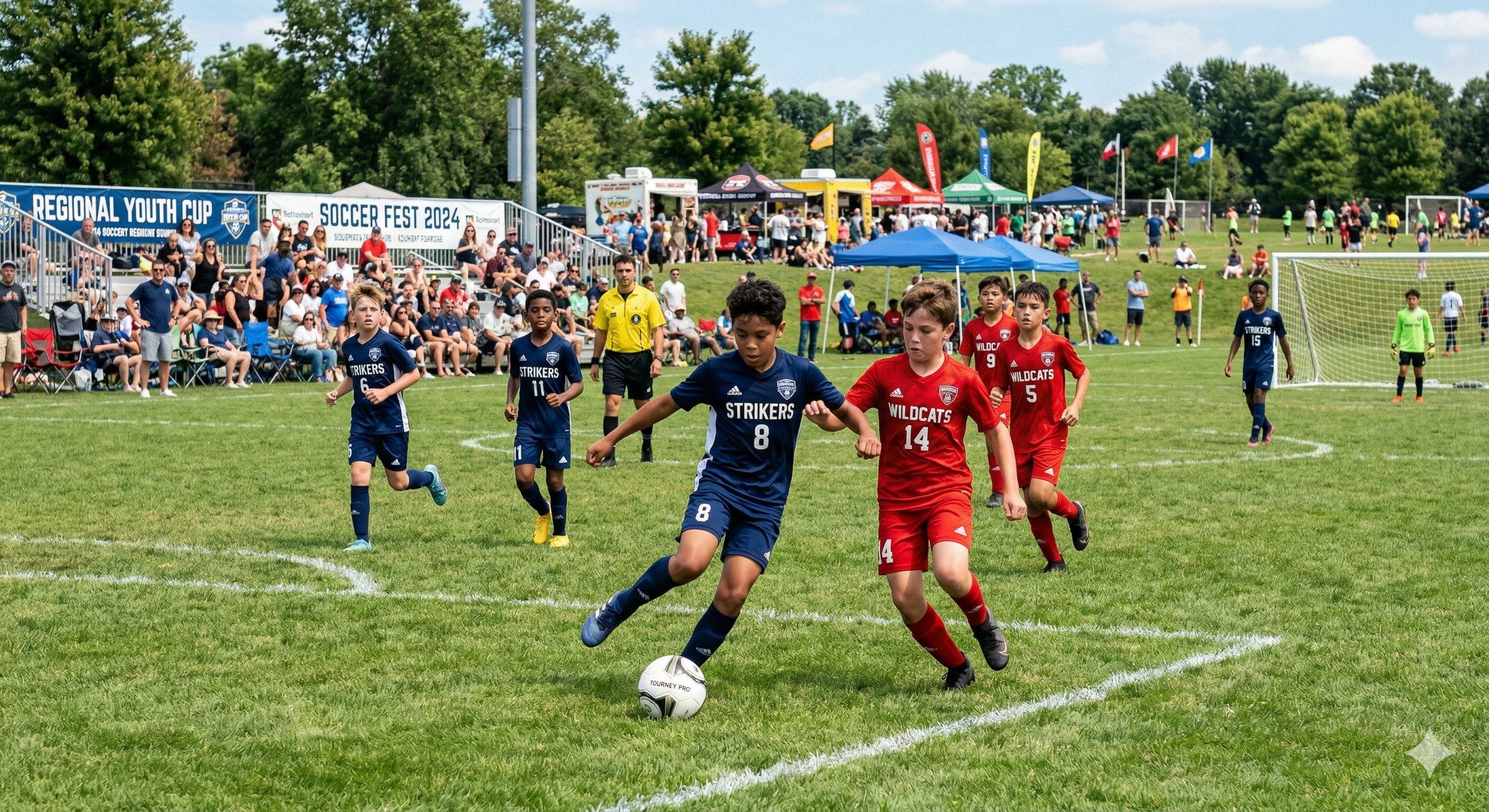
Youth Soccer Tournaments Can Be Grueling. Fuel Correctly and Prepare for Longevity.
You see it every weekend.
Game 1, your athlete looks sharp, fast, and confident.
By Game 3, the legs are heavier, reactions are slower, and they might even seem a little irritable.
By Sunday, they are running on fumes.
Tournament weekends are fun, but they can also wear kids down quickly if they are not managed well. The good news is that a few simple adjustments can make a big difference in how your athlete feels and performs from the first whistle to the last.
Why tournament weekends are so tough
Tournament play is very different from a normal training week. Athletes are often playing multiple games in a short period of time with less recovery between efforts. Add in early mornings, late finishes, travel, heat, and inconsistent nutrition, and it creates the perfect setup for fatigue.
For young athletes, this can lead to tight muscles, decreased performance late in games, and a higher risk of injury.
Hydration starts before the first game
Most athletes begin tournaments already behind on hydration. Waiting until halftime or after the first game is too late.
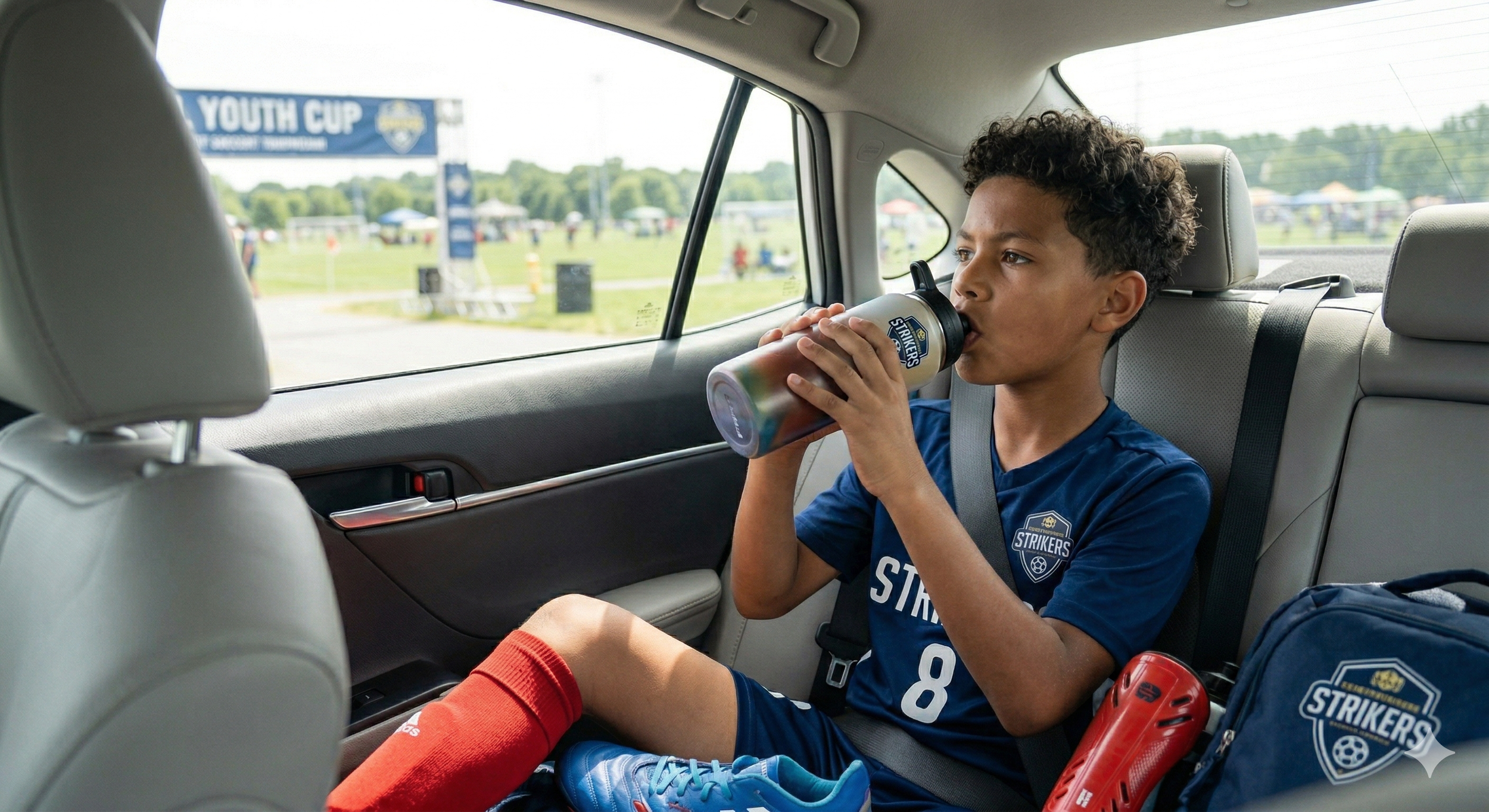
Hydrate Well Before and After Games
Athletes should begin increasing water intake one to two days before the tournament. In warmer conditions, adding electrolytes can be helpful. The goal is consistent hydration throughout the day, not just during games.
A simple rule to remember is that if your athlete is only drinking at halftime, they are already playing catch-up.
Fueling matters more than you think
Running all day without proper fuel is like trying to drive a car on empty. What your athlete eats between games has a direct impact on their energy and performance.
Good options between games include fruit such as bananas or oranges, simple carbohydrates like bagels or granola bars, and light protein such as a turkey sandwich or yogurt.
Heavy or greasy foods should be avoided, especially right before playing. Large meals can leave athletes feeling sluggish and uncomfortable on the field.
Recovery between games is everything
This is where many athletes lose their edge during tournaments. Instead of actively recovering, they sit for long periods, stay in sweaty clothes, and do very little to reset their body.
A better approach is to keep the body moving. Light walking after games, changing into dry clothes, and doing a short cooldown routine can go a long way. Gentle mobility work or light stretching can help maintain flexibility without overdoing it.
You do not need anything complicated. The goal is simply to keep the body loose and ready for the next game.
Stretching and foam rolling: when and how to use them
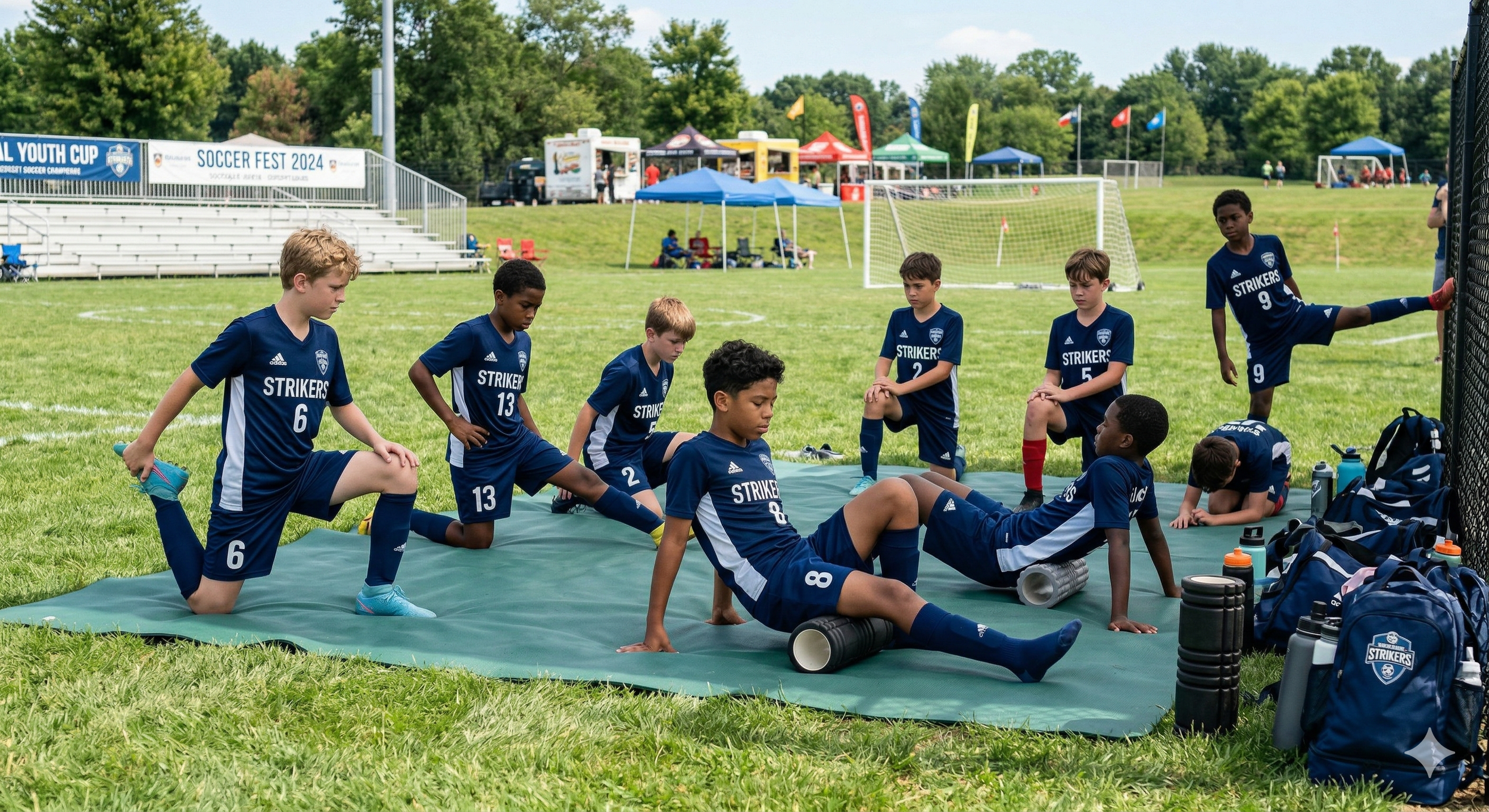
Stretching and Foam Rolling are Critical for Long Tournament Weekends.
A common question during tournaments is whether athletes should be stretching or foam rolling between games. The answer is yes, but the timing and approach matter.
After travel, the body is often stiff from sitting. A short reset can help athletes feel much better going into the first game. This can include five to ten minutes of light movement such as walking or jogging, followed by dynamic stretching. Light foam rolling for thirty to sixty seconds on key areas like the hips, hamstrings, and calves can also help. The goal is to wake the body up, not relax it too much.
Between games, the focus should be on staying loose without losing explosiveness. Athletes should avoid sitting for long periods and instead keep moving lightly. Short bouts of mobility work and brief foam rolling on tight areas can be helpful. Foam rolling should be quick and focused, not long and aggressive. Long stretching sessions between games can actually make athletes feel flat.
After the final game of the day is when more thorough recovery work makes sense. This is the time for longer stretching, holding positions for twenty to thirty seconds, along with more complete foam rolling. Focus on the hamstrings, hip flexors, glutes, and calves. The goal here is recovery and preparing the body for the next day.
One important mistake to avoid is static stretching right before games. This can reduce power and speed and leave athletes feeling less explosive. Save longer stretching for after games, not before.
Sleep is the secret weapon
Sleep is often overlooked during tournament weekends, but it plays a major role in performance. Late nights combined with early games can quickly lead to fatigue.
Athletes should aim for a consistent bedtime and prioritize quality sleep both before the first day of competition and between tournament days. Even one poor night of sleep can affect reaction time, focus, and energy levels.
Watch for signs of fatigue
Athletes do not always say when they are tired, but their body will show it. Slower movement, poor coordination, complaints of tightness, and decreased focus are all signs that fatigue is setting in.
Fatigue is one of the biggest risk factors for injury, especially late in tournaments. Recognizing these signs early can help prevent bigger issues.
Do not skip the warm-up
By the third or fourth game, many athletes rush through or skip their warm-up altogether. This is one of the most common times injuries occur.
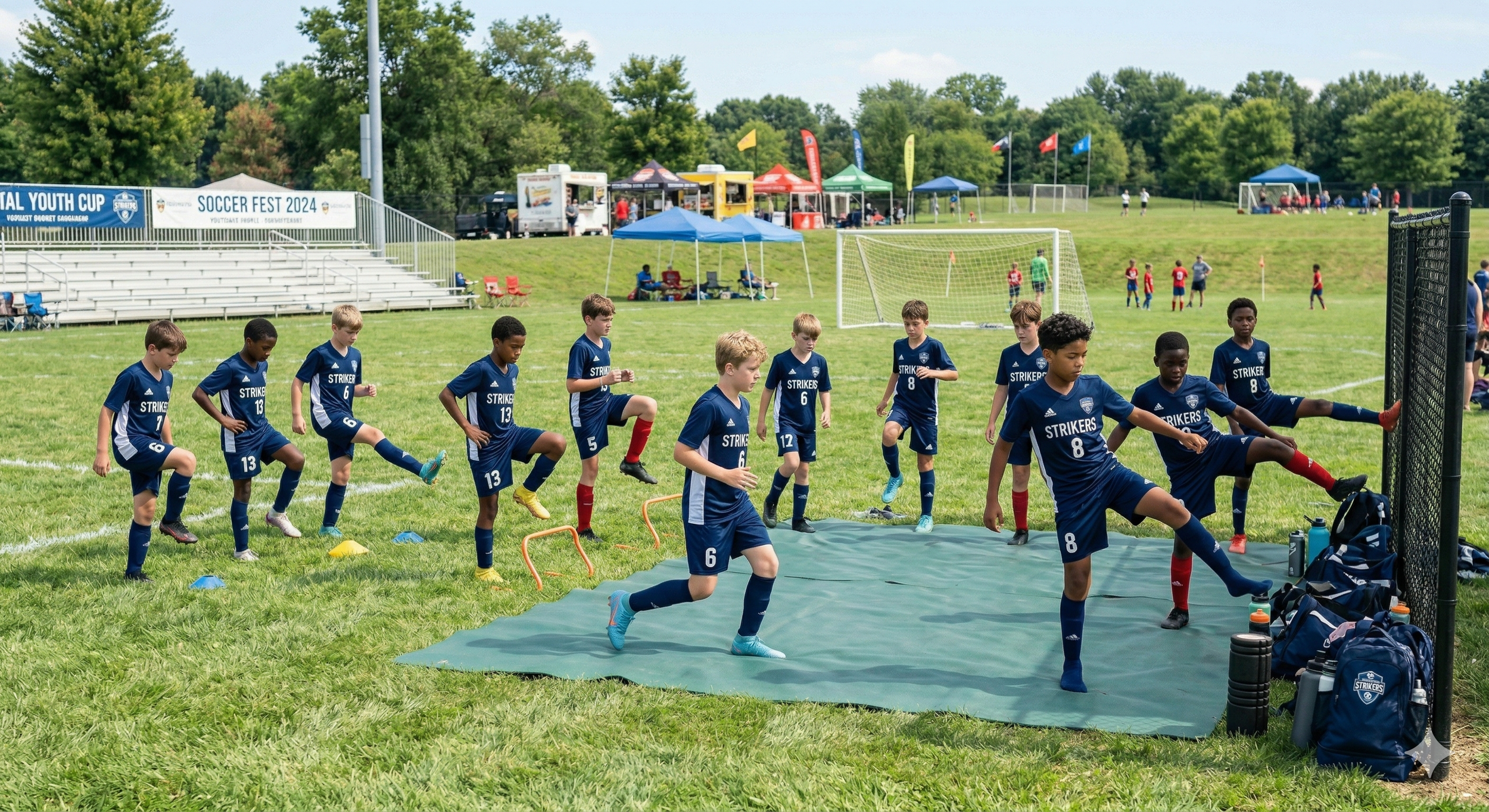
Regardless of the temperature, warm up properly.
Even late in the tournament, athletes should perform a simple dynamic warm-up with light activation and a gradual build-up to game speed. This helps prepare the body and reduces injury risk.
Post-game reset matters
After the final game of the day, recovery should be a priority. Athletes should hydrate, eat within thirty to sixty minutes, and perform light movement or stretching.
Sitting for long periods immediately after playing can increase stiffness and soreness. A small amount of movement and recovery work can make a big difference in how the athlete feels the next day.
Closing
Tournament weekends should be fun, and they are a great opportunity for athletes to compete and improve. However, how an athlete prepares and recovers can determine whether they finish strong or simply try to get through it.
With better hydration, smarter fueling, consistent recovery, and attention to sleep and fatigue, athletes can stay healthier, feel better, and perform at a higher level throughout the entire weekend.
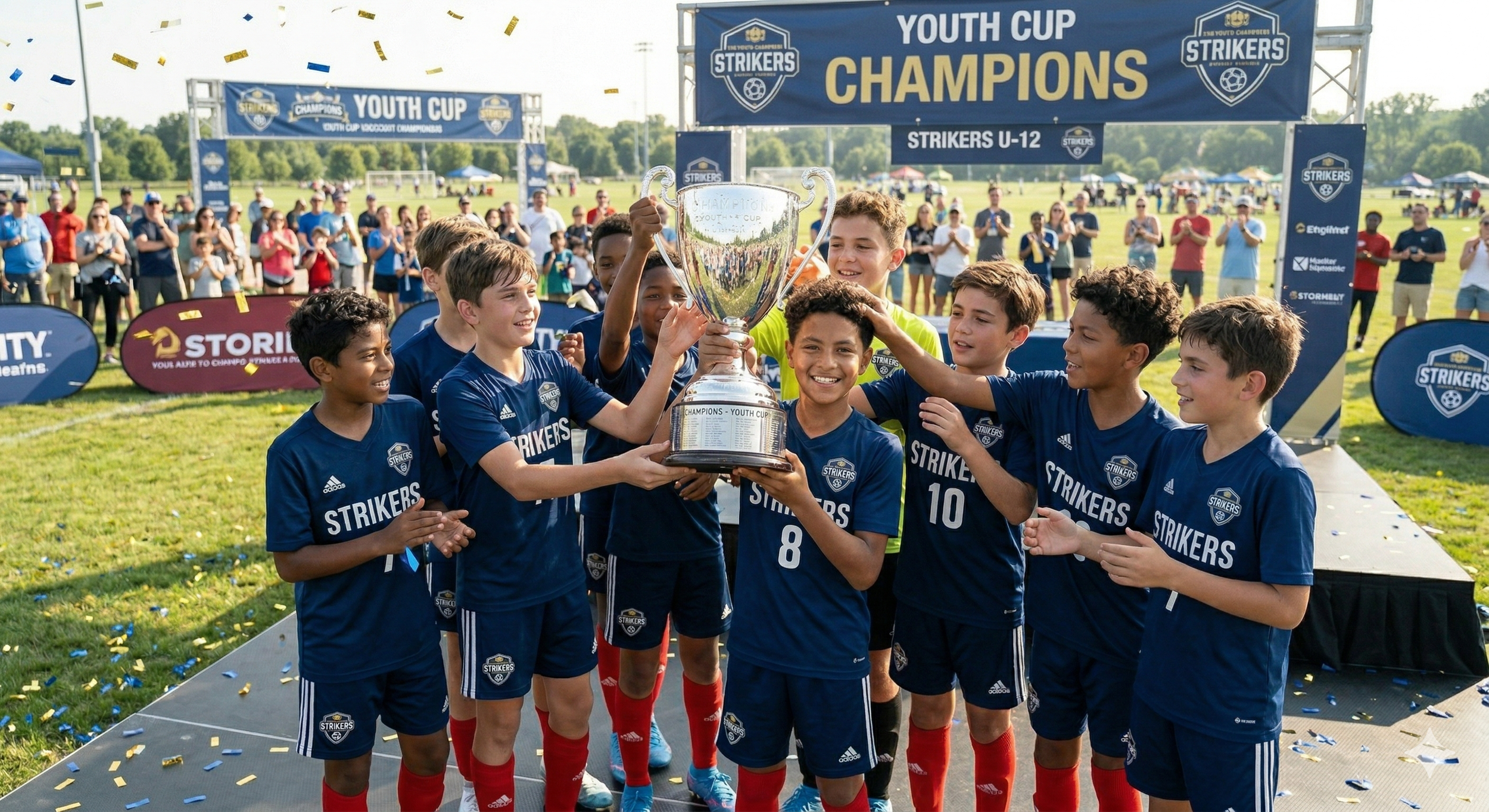
Train and Recover Like a Champion